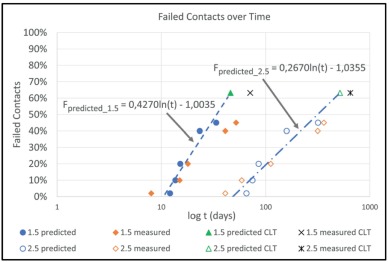
Recent field data underscores a critical, often underestimated, vulnerability in vehicle performance: 30% to 60% of all electrical failures in road vehicles are ultimately attributed to connector problems. For engineers specifying components and procurement teams managing long-term warranties, this failure rate demands a strategic shift away from unprotected, unsealed terminals.
I. Executive Summary: The Imperative for Sealed Interconnects
This guide asserts that sealed connectors are the only viable solution for all mission-critical and harsh-environment applications, acting as an essential safeguard against environmental degradation and the costly consequences of intermittent contact. We feature the Amphenol AT Series as the industry benchmark for superior environmental seals, specifically engineered for the demanding conditions where failure is not an option.
II. Quantifying the Risk: Why Unsealed Connectors Fail
The difference between a sealed and unsealed connector is not merely a plastic shield; it is the difference between a reliable 20-year service life and a high-risk liability. Unsealed connectors lack specialized treatment to prevent the ingress of liquids or dust.
2.1 The Two Primary Degradation Mechanisms
In automotive and heavy industrial settings, connectors are exposed to high humidity, temperature extremes, vibration, and corrosive chemicals. These factors trigger two complex failure modes in unsealed terminals:
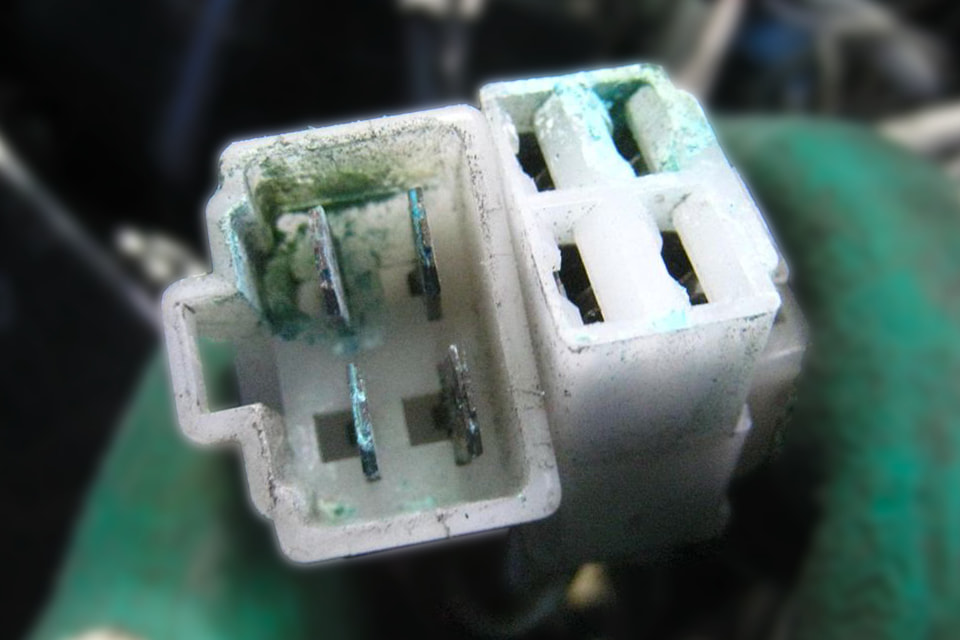
- Corrosion and Electrical Leakage: When moisture penetrates the contact area, it can cause metal corrosion (oxidation) and form conductive films. This leads to surface electrical leakage and degradation of contact surfaces.
- Fretting Corrosion: Mechanical or thermal micro-motions (vibrations) cause wear on the contact interfaces, often leading to the accumulation of oxidized wear debris. This fretting corrosion is the most notorious failure type for tin-coated contacts, gradually increasing contact resistance until failure.
2.2 The Evolution from IP67 to IP69K
For highly demanding applications, even the industry-familiar IP67 rating is insufficient.
- IP67 Limitations: While IP67 guarantees protection against temporary immersion in water, it does not account for the high-pressure washdowns or steam cleaning commonly used in industrial and agricultural equipment.
- The IP69K Standard: The shift to IP69K is essential, as this rating certifies protection against high-temperature, high-pressure water jets, ensuring the seal integrity is maintained even under aggressive cleaning protocols. This level of sealing is rapidly becoming the gold standard for next-generation automotive and offshore connectors
III. The Sealed Solution: Amphenol AT Series Engineering
The reliability gap between sealed and unsealed connectors is bridged by precise engineering and material science, where Amphenol has set the market standard.
3.1 Design Excellence in the AT Series
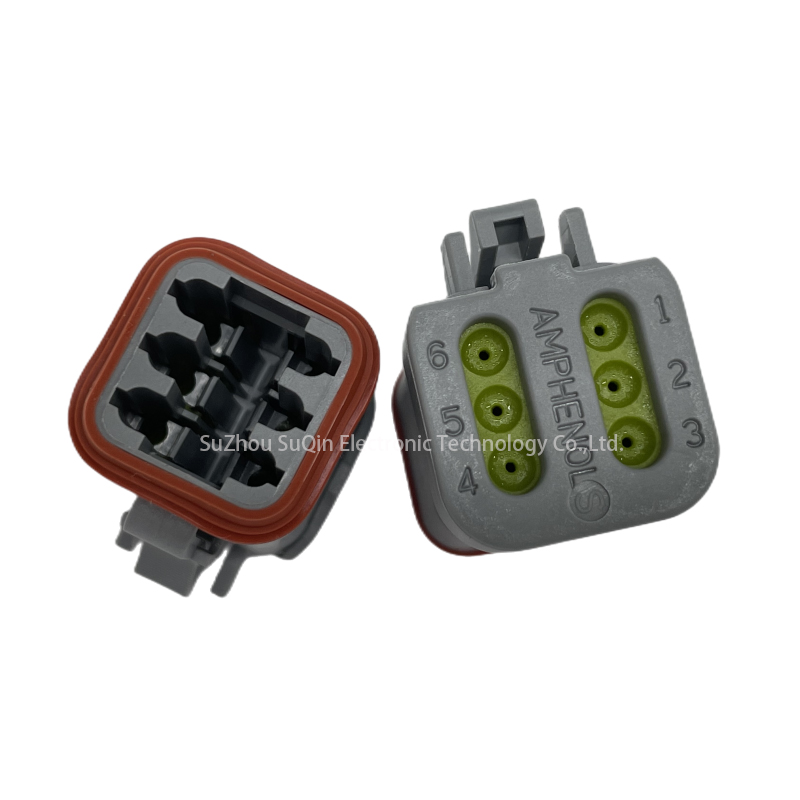
The Amphenol AT Series is engineered for demanding interconnect architectures and utilizes several key features to ensure reliability:
- Dual Environmental Seals: The design incorporates superior front and rear environmental seals and specialized seal retention capabilities, providing protection from both the cable entry side and the mating face.
- IP68 and IP69K Rated: The AT Series achieves both IP68 and the critical IP69K rating in the mated condition, making it suitable for heavy equipment, agricultural, and automotive exterior applications.
- Durable Materials: The use of robust, high-performance thermoplastic housing ensures excellent UV resistance and mechanical strength, protecting the internal components from physical damage.
3.2 The Distributor’s Pledge: Quality and Traceability
As an official distributor focused on automotive and industrial connectors , our experience confirms that the best engineering is useless without guaranteed authenticity.
Suqin Connectors explicitly addresses two key procurement concerns:
- Authenticity: We provide a 100% genuine guarantee that every item delivered is from the original manufacturer.
- Risk Mitigation: We offer a 15-day refund service for any quality issues. Furthermore, our commitment to compliance standards, including ongoing work toward IATF 16949 compliance , ensures that our supply chain adheres to the stringent quality management standards required by the automotive industry.
IV. Procurement Strategy: The TCO Perspective
The choice between a sealed and unsealed connector is fundamentally a financial decision between initial capital expenditure (CAPEX) and long-term operational expenditure (OPEX).
H2: 4.1 Calculating the Hidden Cost of Unsealed Components
Engineers must move beyond unit price and calculate the Total Cost of Ownership (TCO). The high rate of electrical failures means that saving $0.50 on an unsealed terminal is quickly negated by the costs associated with:
- Troubleshooting: Diagnostic time to locate the intermittent failure.
- Downtime: Revenue loss from equipment being out of service.
- Warranty Claims: Costly field repairs due to component degradation.
A sealed, IP69K connector is not an expense; it is a fault insurance policy that guarantees continuous performance in the harshest environments.
4.2 Your Trusted Source for Mission-Critical Components
In the highly competitive and consolidating connector market , selecting a trustworthy partner is paramount. Our distribution expertise across major brands—including Amphenol, TE, Deutsch, and Molex —ensures we recommend components that meet specifications precisely, without compromise.
Final Decision Imperative: Do not risk 30-60% of your system’s reliability to save on a component designed to protect it. Choose the guaranteed durability of a sealed interconnect.
Post time: Oct-30-2025