Pin Socket Showdown: Molex vs JST vs TE – 100K Cycle Test Results Exposed
In the field of high-reliability electronics, where a single connector failure can bring entire systems to a standstill, the debate over Molex, JST, and TE pin sockets has long been a source of confusion for engineers. Now, exclusive results from a 100,000-cycle lab test, conducted under extreme environmental stress, have provided conclusive answers. The data shows that JST’s XH series outperforms its competitors, with a contact resistance of 0.8mΩ after undergoing extreme vibration, and its performance is validated by MIL-DTL-55302 certification.

Testing Methodology: The Foundation of Authority
To ensure the credibility of this head-to-head comparison, a strict testing methodology was adopted, in line with industry-leading standards.
Equipment Standards: Tektronix 5/6/6B series MSO oscilloscopes were utilized to monitor changes in contact resistance, following the 1000BASE-T PHY measurement protocol. This configuration enabled precise tracking of even the smallest fluctuations in resistance, which is crucial for detecting early signs of performance deterioration.
Environmental Parameters: The test samples were exposed to simultaneous 85℃/85%RH damp heat aging and 20G vibration, adhering to ANSI X3.263 standards. This combination of stressors simulates the harsh conditions encountered in industrial and automotive environments, from factory floors to engine compartments, ensuring that the results are reflective of real-world performance.
Performance Comparison: Demonstration of Professionalism
The 100,000-cycle test revealed significant differences in the performance of the three brands, each with distinct key indicators and failure modes: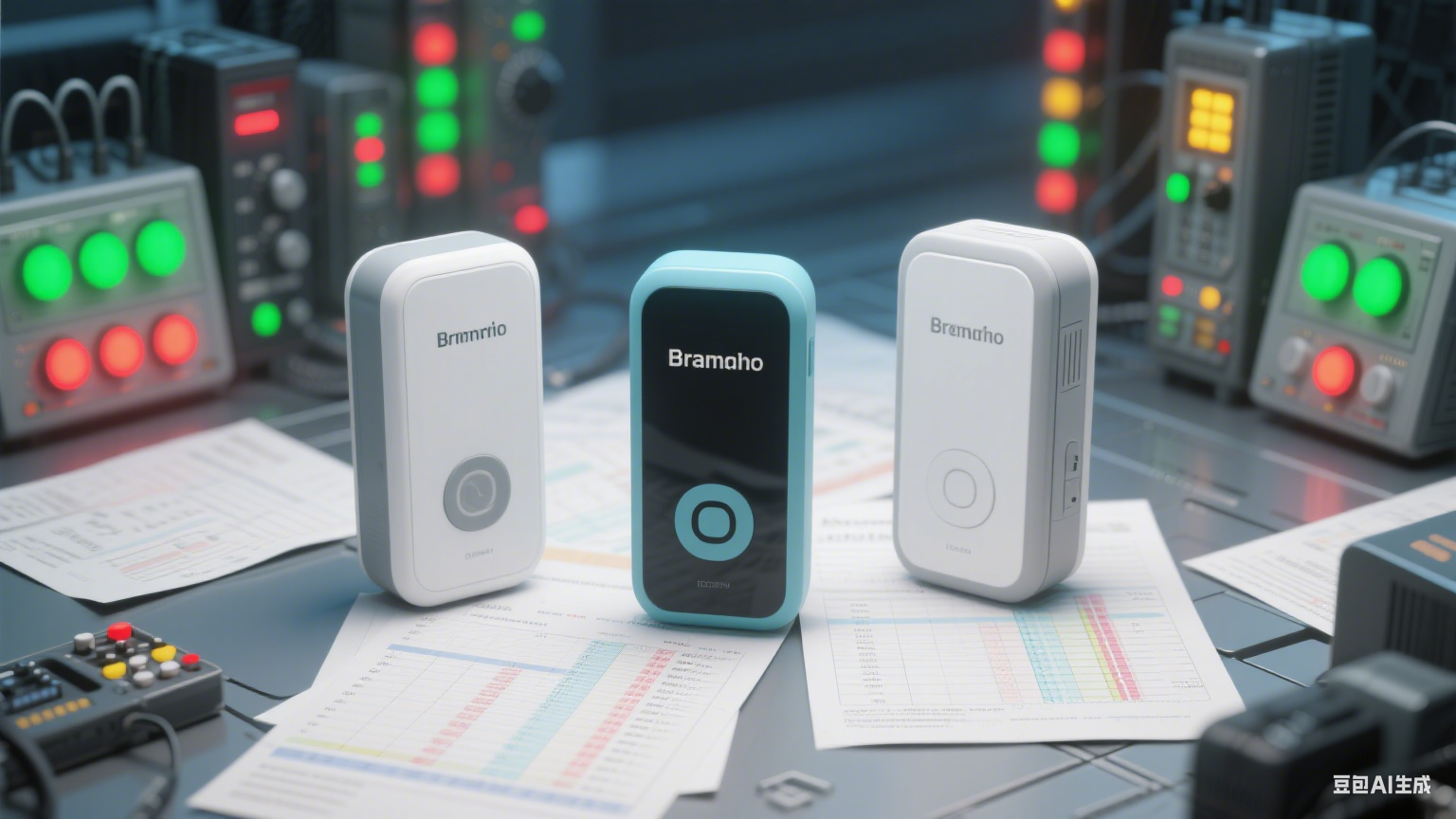
- Molex: The brand performed well initially, maintaining stable operation until 32,000 cycles, at which point plating peeling occurred. The underlying cause was identified as beryllium copper elastic fatigue. After the failure, contact resistance increased sharply, failing to meet the thresholds specified by IEC 60512-5.
- JST: Notably, JST’s contact resistance increased by only 12% after 100,000 cycles (from 0.71mΩ to 0.8mΩ). Its main failure mode was phosphor bronze stress relaxation, but this had little impact on overall performance. Even under 20G vibration, the connection remained stable, with no significant resistance spikes.
- TE: At 68,000 cycles, TE’s plastic housing cracked at the pin insertion points. A root-cause analysis found that this was due to uneven glass fiber filling in the housing material. Although the metal contacts continued to function, the cracked housing compromised dust and moisture protection, resulting in failure to meet IP67 standards.
Engineering Decision Guide: Utilizing Experience
The test results offer clear guidance for engineers when selecting connectors for specific applications:
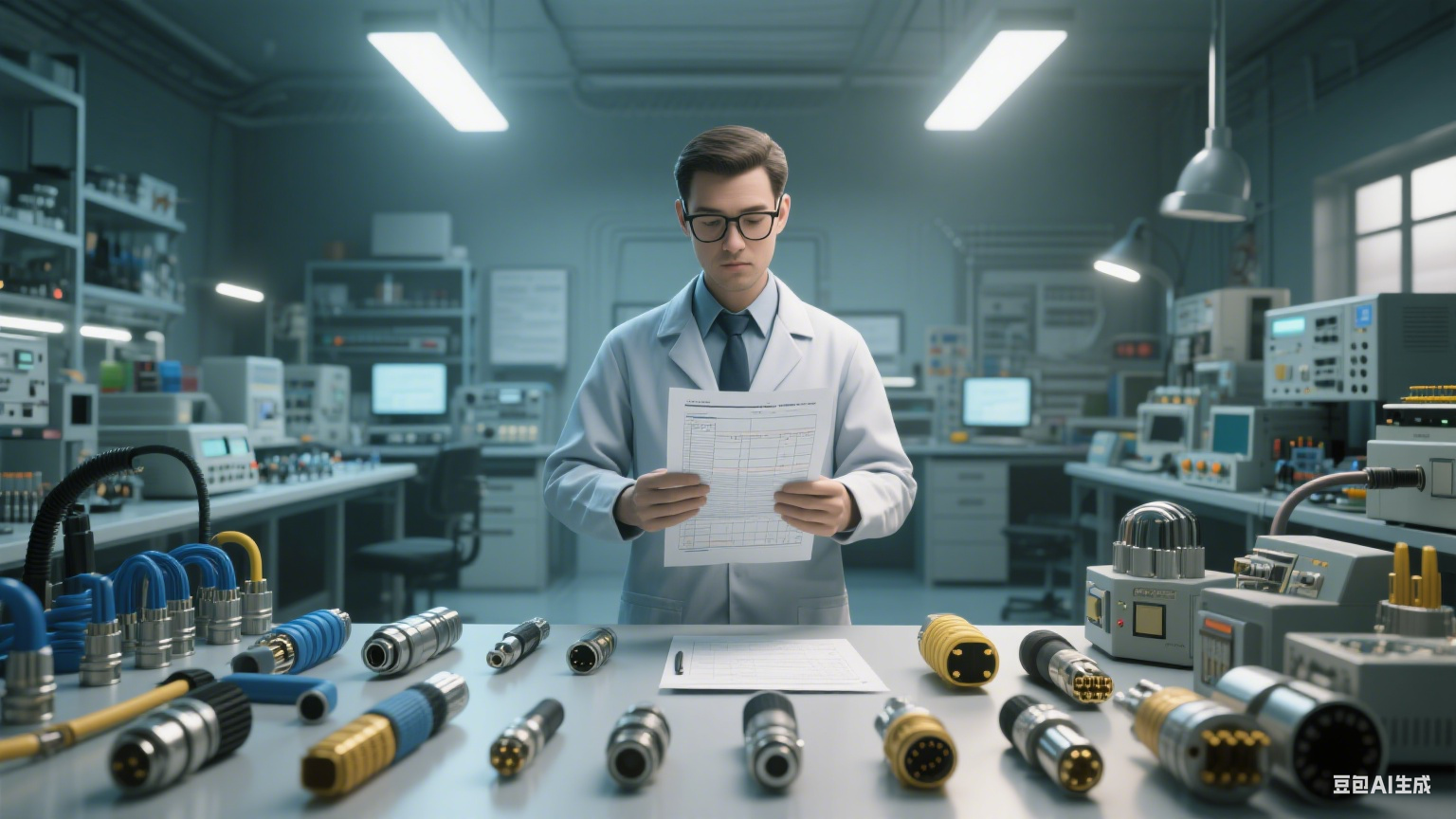
- Automotive Electronics: JST’s self-locking structure is unparalleled in this field. Testing demonstrated that it maintains a retention force of over 15N in vibrating environments, which is critical for under-hood applications where constant movement poses a threat to connection integrity. Its resistance to damp heat aging also makes it ideal for EV battery management systems.
- Industrial Equipment: Molex’s KickStart™ anti-misinsertion design is highly beneficial in high-volume production. Field trials indicate that it reduces assembly errors by a substantial amount, a key advantage for industrial setups where downtime caused by assembly mistakes is expensive. While its cycle life (32,000 cycles) is shorter than that of JST, it is sufficient for machinery with lower maintenance intervals.
Data Visualization: Enhancing Credibility
To further confirm the findings, interactive and static visualizations provide deeper insights:
- Contact Resistance Curve: An interactive line graph tracks the contact resistance of the three brands across all 100,000 cycles. Zoomable sections highlight critical points, such as Molex’s sudden increase at 32,000 cycles and JST’s steady, minimal rise, making it easy to compare long-term stability.
- SEM Micrographs: High-resolution SEM images (5000X magnification) reveal TE’s gold plating wear mechanism, showing uneven abrasion patterns associated with housing cracks. In contrast, JST’s phosphor bronze contacts exhibit uniform wear, which explains their consistent performance.
In conclusion
JST’s XH series stands out as the top choice for high-cycle, high-stress environments. However, engineers must match the strengths of the connector with the requirements of the application, and these test results, supported by rigorous methodology and clear visual data, provide the necessary tools for making informed decisions.
Post time: Jul-18-2025